A geopolitical shock at the bowser
The conflict in the Strait of Hormuz has reshaped the global energy market in a matter of weeks. Roughly a fifth of the world's oil flows through that narrow waterway, and disruptions there ripple straight through to the price every Australian pays at the pump.
Pump prices have climbed sharply across every capital city since the start of the year, and futures markets suggest the squeeze has further to run. For households that drive to work, drive the kids to school, and drive to the supermarket three times a week, that's a meaningful hit to the weekly budget — and one that's largely outside their control.
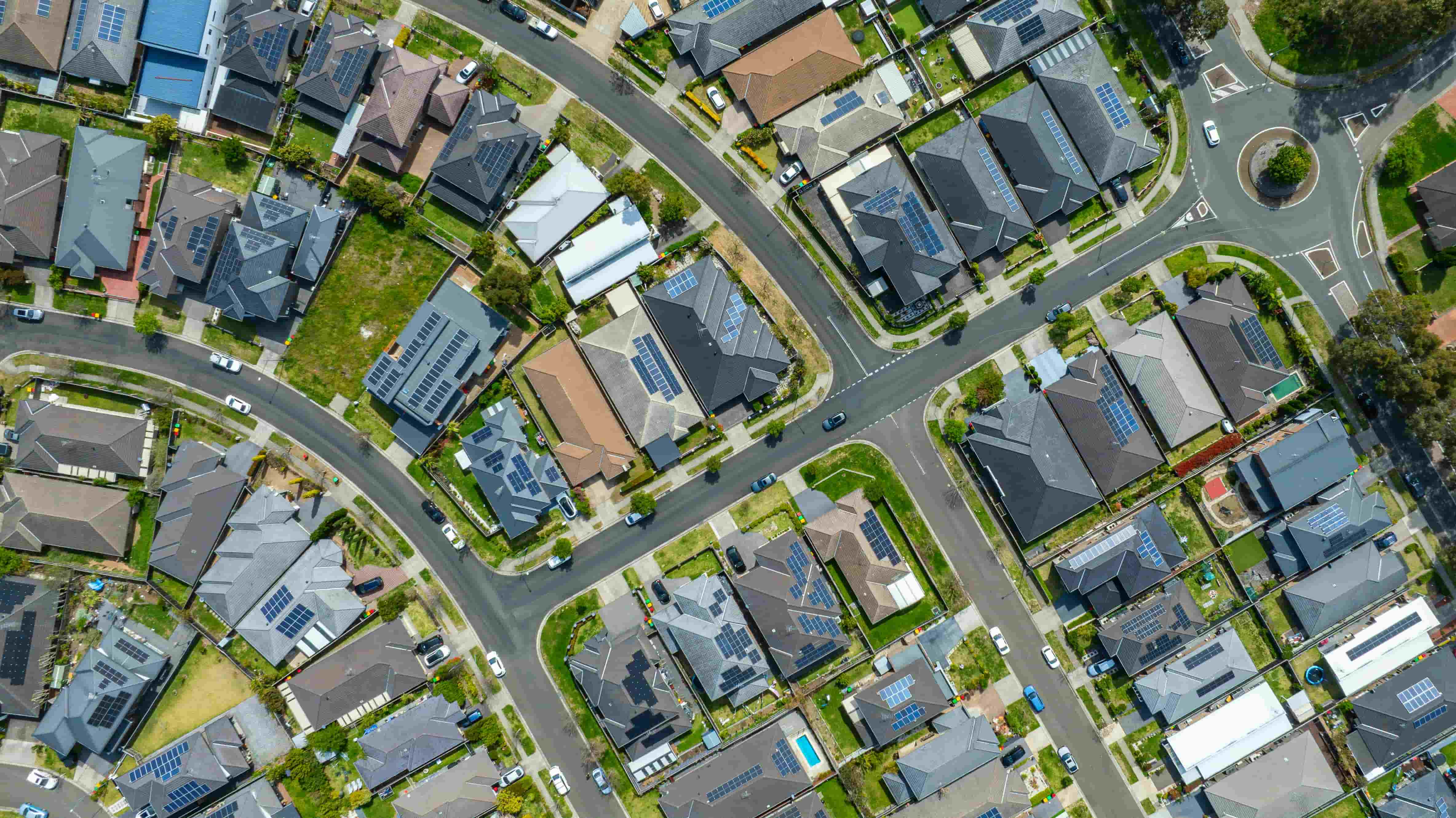
There is, however, one structural decision that does shape how exposed a household is to fuel prices: where they live.
Walkability is now a financial decision, not just a lifestyle one
For a long time, walkability was framed as a "nice to have" — pleasant for weekend coffees, good for the dog. The current energy crisis is changing that framing fast.
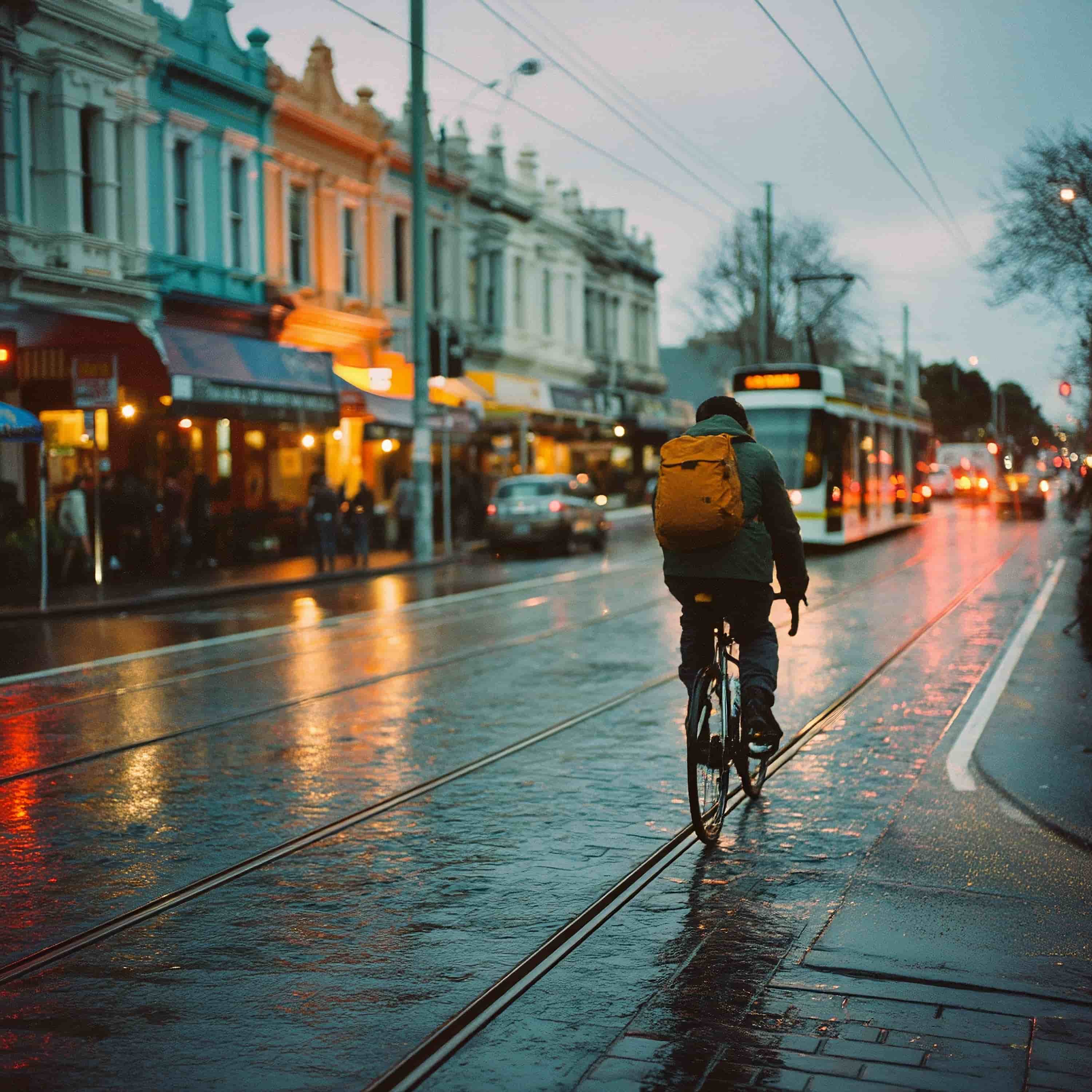
Living in a neighbourhood with genuinely walkable amenities means you have options when fuel prices spike:
- Take the train or bus to work instead of sitting in traffic burning premium unleaded.
- Walk the kids to school rather than doing the morning drop-off loop.
- Bike to the supermarket for the weekly shop instead of two return trips by car.
- Step out for a coffee, a haircut, or dinner without firing up the engine.
Each of those substitutions saves a few dollars on its own. Stack them across a year and a household in a walkable suburb can spend thousands less on fuel than an equivalent household ten kilometres further out — without changing anything about the way they live, just where they live.
That's the kind of structural insulation that matters when oil markets are unstable.
The problem: walkability is hard to see from a listing
Real estate listings are very good at telling you about the property and very bad at telling you about the neighbourhood around it. A two-bedroom apartment ten minutes' walk from a train station looks identical, on paper, to one that's ten minutes' drive — until you try to live there without a car.
Most buyers and renters end up doing this research manually: opening Google Maps in another tab, dropping pins for the nearest school and supermarket, eyeballing whether the bus route looks plausible. It's slow, it's inconsistent across listings, and it almost never includes the real walking time — only the straight-line distance.
This is exactly the problem geoscore.com.au was built to solve.
Walkability Search — find homes that don't need a car
Our Walkability Search lets you describe the kind of neighbourhood you want to live in, then shows you everywhere in Australia that fits.
Instead of starting with a suburb name and hoping it works for you, you start with your daily life and let the map find the suburbs.
Here's how it works:
- Set your area — search Australia-wide, or narrow it down to a city, local government area, or single suburb.
- Add the amenities you actually use — a train or tram stop within 10 minutes' walk, a primary school within 15, a supermarket within 8, a cafe within 5. Whatever your routine looks like, build it into the filters.
- Choose how each filter behaves — minimum walking time to the nearest feature, count of features within a radius (e.g. three or more restaurants within 500 metres), or area thresholds for size-sensitive features like parks.
- Read the map — the results render as a colour-coded grid showing which areas meet all of your criteria, and how strongly. Greener cells satisfy your filters; darker greens satisfy them with room to spare.
- Save your search — sign in and your walkability profile is saved, so you can come back to it as new properties hit the market.
The whole search runs against millions of mapped amenities and real walking-network distances — not crow-flies estimates. If a hill, a river, or a freeway gets in the way of a walking route, the time reflects that.
Worked example: the "no second car" search
Say you're a household considering whether you can get by with one car instead of two. The fuel savings alone would more than cover a slightly higher mortgage in a better-located suburb, but only if the location genuinely supports it.
Your filters might look like:
- Train station within 10 minutes' walk — for the commute.
- Primary school within 15 minutes' walk — for the school run.
- Supermarket within 10 minutes' walk — for the weekly shop.
- Cafe within 5 minutes' walk — for daily life.
- Park within 20 minutes' walk — for the weekends.
Or run them all together as a single stacked search:
Run that search across Greater Sydney, Greater Melbourne, or any other metro area, and the map will pick out exactly the pockets where all five conditions hold. You don't have to know the suburb names in advance — the data finds them for you.
That's a very different starting point than scrolling listing portals one suburb at a time.
Property Profiles — verify before you commit
Once Walkability Search has narrowed the map, our Property Profiles let you stress-test individual addresses. For any Australian property you can see:
- Category scores for Transport, Education, Shopping, Health, Gastronomy, Nature, Entertainment, and general Amenities — each ranked at the suburb, LGA, and city level.
- Real walking times to every nearby amenity, plotted on an interactive map.
- Feature cards for every nearby point of interest, colour-coded by category.
If you're betting on a specific apartment to be your low-fuel home for the next ten years, this is where you check that the bet is real.
The bigger picture
No one knows how long fuel prices will stay elevated, or how the Hormuz situation will resolve. What we do know is that households with walkable, transit-rich locations have a buffer that car-dependent households simply don't — and that buffer becomes more valuable, not less, in an unstable energy environment.
Choosing a walkable home doesn't require giving anything up. It just requires being able to see, before you sign a lease or a contract, what a neighbourhood actually looks like on foot.
Try Walkability Search and find the suburbs that match the way you want to live.